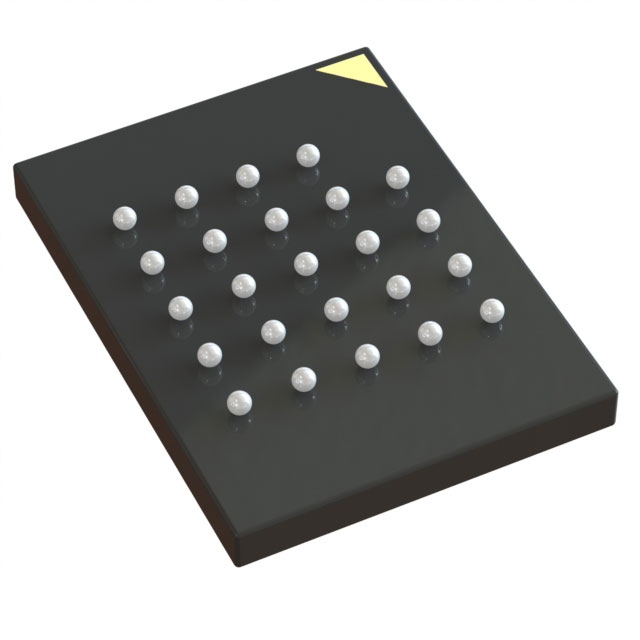
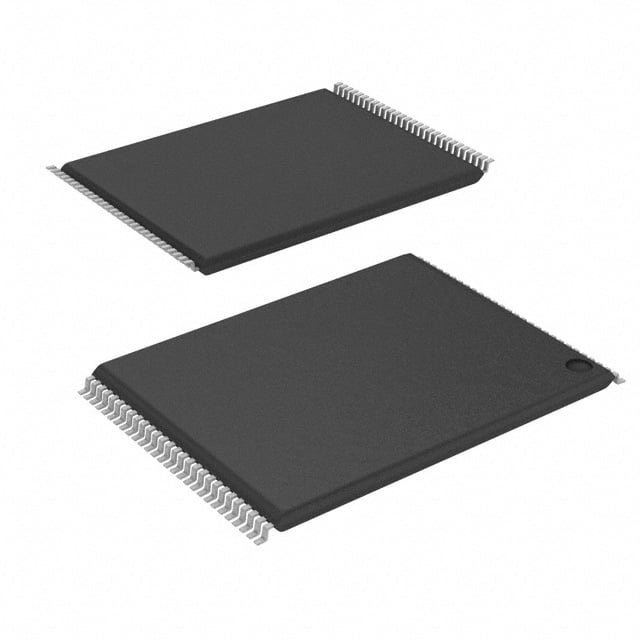
GDDR7 (Graphics Double Data Rate 7) memory is a type of high-performance graphics memory designed specifically for use in graphics cards, gaming consoles, and other high-bandwidth applications. It is optimized for high data transfer rates and is typically used alongside a GPU (Graphics Processing Unit) to enhance graphical performance. Here’s how GDDR7 compares to DDR4 and DDR5 memory:
1. Purpose and Usage:
- GDDR7:
- Designed primarily for graphics cards and high-performance computing applications.
- Optimized for high bandwidth and low latency, crucial for GPU-intensive tasks like gaming and 3D rendering.
- DDR4:
- Mainstream system memory used in consumer and enterprise computers.
- Lower bandwidth compared to GDDR7 but offers lower latency and is optimized for CPU tasks.
- DDR5:
- Next-generation system memory, succeeding DDR4.
- Higher bandwidth than DDR4, with improvements in power efficiency and latency.
- Designed for use in both CPUs and GPUs, offering a balance between high bandwidth and low latency.
2. Architecture and Speed:
- GDDR7:
- Based on a different architecture compared to DDR4 and DDR5, optimized for higher clock speeds and data rates.
- Typically operates at higher frequencies than DDR4 and DDR5, offering significantly higher bandwidth.
- DDR4:
- Designed for lower clock speeds compared to GDDR7.
- Offers good latency performance but lower bandwidth, suitable for CPU-based tasks where latency is critical.
- DDR5:
- Offers higher bandwidth compared to DDR4, although not as high as GDDR7.
- Introduces improved power efficiency and higher data rates compared to both DDR4 and GDDR7.
3. Bandwidth and Latency:
- GDDR7:
- Provides very high bandwidth, ideal for graphics-intensive applications.
- Generally has higher latency compared to DDR4 but optimized for high-speed data transfer.
- DDR4:
- Offers moderate bandwidth suitable for general computing tasks.
- Lower latency compared to GDDR7, optimized for CPU operations and multitasking.
- DDR5:
- Improves upon DDR4 bandwidth and latency, providing a balance between CPU and GPU performance requirements.
4. Power Efficiency:
- GDDR7:
- Typically consumes more power compared to DDR4 and DDR5 due to higher clock speeds and bandwidth requirements.
- DDR4:
- Offers good power efficiency, suitable for a wide range of computing devices, including laptops and servers.
- DDR5:
- Introduces improved power efficiency compared to DDR4 and GDDR7, with advancements in voltage regulation and power-saving features.
5. Application Specifics:
- GDDR7:
- Best suited for applications requiring high bandwidth, such as gaming, graphics rendering, AI/ML workloads, and video editing.
- Typically used alongside GPUs in dedicated graphics cards and gaming consoles.
- DDR4:
- General-purpose memory used in a wide range of computing devices, including laptops, desktops, and servers.
- Ideal for CPU-based tasks where a balance between bandwidth and latency is important.
- DDR5:
- Positioned as the successor to DDR4, offering improved bandwidth and latency for both CPU and GPU tasks.
- Expected to be adopted in a variety of applications, including high-performance computing and data centers.
Conclusion:
In summary, GDDR7 is specialized memory optimized for high bandwidth and low latency in graphics-intensive applications, while DDR4 and DDR5 are general-purpose system memories that balance bandwidth, latency, and power efficiency for broader computing tasks. Each type of memory serves specific needs in different computing environments, with GDDR7 being crucial for enhancing graphical performance and DDR4/DDR5 being essential for general-purpose computing across a wide range of devices.
icDirectory Limited | https://www.icdirectory.com/a/blog/how-does-gddr7-compare-to-ddr4-and-ddr5-memory.html

☰