## Physical Characteristics
1. Package Dimensions:
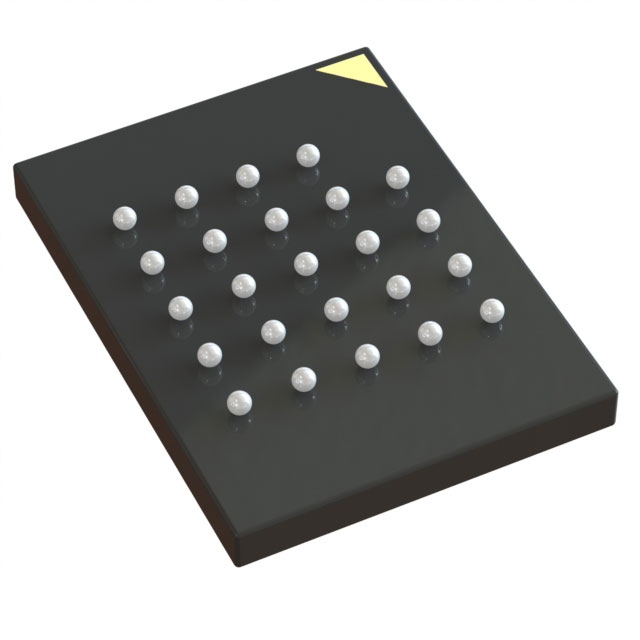
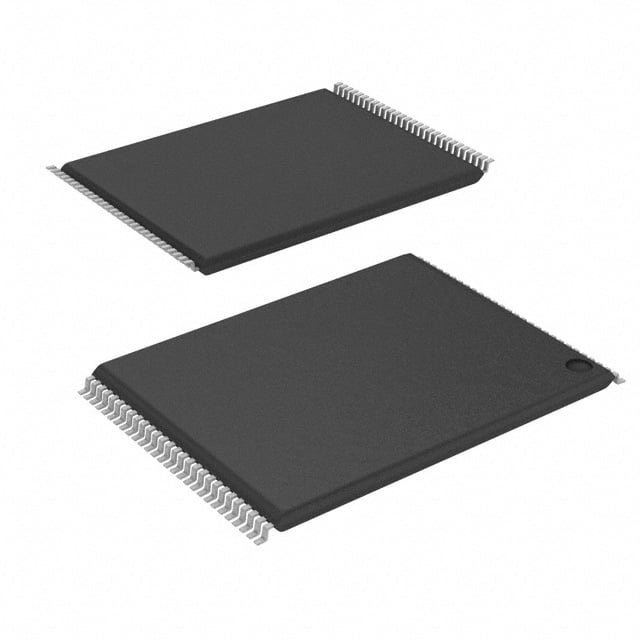
- GDDR6 memory chips typically come in a rectangular package. The dimensions of the package vary but are generally standardized based on the JEDEC (Joint Electron Device Engineering Council) specifications.
- Common package sizes include 14 mm x 12 mm, 14 mm x 15 mm, and 14 mm x 18 mm, although other dimensions may exist depending on the manufacturer and specific product design.
2. Package Thickness:
- The thickness of GDDR6 memory packages is typically around 1.0 mm to 1.2 mm, which is standard for memory chips.
- Thinner packages may be used in some applications where space is at a premium.
## Internal Configuration
1. Memory Dies:
- Inside the package, GDDR6 memory chips contain one or more memory dies (chips). These dies are where the actual memory cells and circuitry are located.
- The size of each memory die can vary based on the manufacturing technology node used (e.g., 7nm, 8nm, etc.).
2. Memory Die Dimensions:
- The size of the memory die itself can vary significantly based on the manufacturing node and the specific design choices made by the manufacturer.
- Generally, memory dies for GDDR6 are smaller compared to older memory technologies like GDDR5, due to advancements in semiconductor manufacturing that allow for higher densities and smaller sizes.
## Factors Influencing Size
1. Manufacturing Node:
- Advances in semiconductor manufacturing technology (e.g., moving from 12nm to 8nm or 7nm) can significantly impact the size of GDDR6 memory chips.
- Smaller manufacturing nodes allow for more compact memory dies and thus smaller overall memory packages.
2. Product Design:
- Specific product designs and target applications also influence the physical size of GDDR6 memory chips.
- High-performance graphics cards may use larger memory packages with multiple memory dies to achieve higher capacities and bandwidths.
## Summary
The physical size of GDDR6 memory chips typically ranges from around 14 mm x 12 mm up to 14 mm x 18 mm in package dimensions, with a thickness of approximately 1.0 mm to 1.2 mm. Inside these packages, the size of the memory dies can vary but is generally smaller than previous generations due to advancements in semiconductor technology. These smaller sizes allow for higher densities and improved performance while maintaining a relatively compact physical footprint.
icDirectory Limited | https://www.icdirectory.com/a/blog/what-is-the-physical-size-of-gddr6-chips.html