## Architecture Overview:
1. Data Rate and Interface:
- LPDDR5X operates using a double data rate interface, meaning data is transferred on both the rising and falling edges of the clock signal. This allows for higher effective data transfer rates without increasing the clock frequency excessively, which helps in reducing power consumption.
- LPDDR5X supports data rates up to 8533 MT/s (Megatransfers per second), providing substantial bandwidth for handling data-intensive tasks in mobile devices.
2. Power Efficiency:
- LPDDR5X is designed with a focus on power efficiency, crucial for extending battery life in smartphones, tablets, and other portable devices. It achieves this through several architectural features:
- Low Voltage Operation: LPDDR5X operates at lower voltages compared to traditional DDR memory, reducing power consumption during both active and standby modes.
- Deep Power Down (DPD) Mode: This mode allows the memory to enter an ultra-low power state when not actively in use, further conserving battery power.
3. Memory Organization:
- LPDDR5X organizes memory into banks and sub-banks, which helps in efficiently managing data access and reducing latency. The architecture typically includes multiple banks of memory cells that can be accessed simultaneously, improving overall memory throughput.
4. Channel Architecture:
- LPDDR5X memory is often implemented in multi-channel configurations to increase data throughput between the memory and the processor. This involves grouping multiple memory devices together, each operating in parallel to provide higher bandwidth compared to single-channel configurations.
5. Bus Architecture:
- LPDDR5X uses a high-speed bus architecture to facilitate rapid data transfer between the memory and the processor. This bus is designed to handle the increased data rates supported by LPDDR5X, ensuring efficient communication between the memory subsystem and the rest of the device.
6. Latency Management:
- LPDDR5X incorporates mechanisms to minimize memory access latency, crucial for responsive performance in mobile applications. Techniques such as pipelining and prefetching are utilized to ensure that data requested by the processor is readily available with minimal delay.
7. Thermal Management:
- Efficient thermal management is a key consideration in LPDDR5X architecture. By operating at lower voltages and incorporating power-saving features like dynamic voltage scaling, LPDDR5X helps mitigate heat generation, which is essential for maintaining device reliability and performance.
## Key Features and Advantages:
- High Bandwidth: LPDDR5X offers significant data throughput capabilities, making it suitable for demanding applications such as 3D gaming, high-definition video playback, and AI processing on mobile devices.
- Low Power Consumption: Designed for battery-powered devices, LPDDR5X minimizes power usage during both active and idle states, contributing to longer battery life.
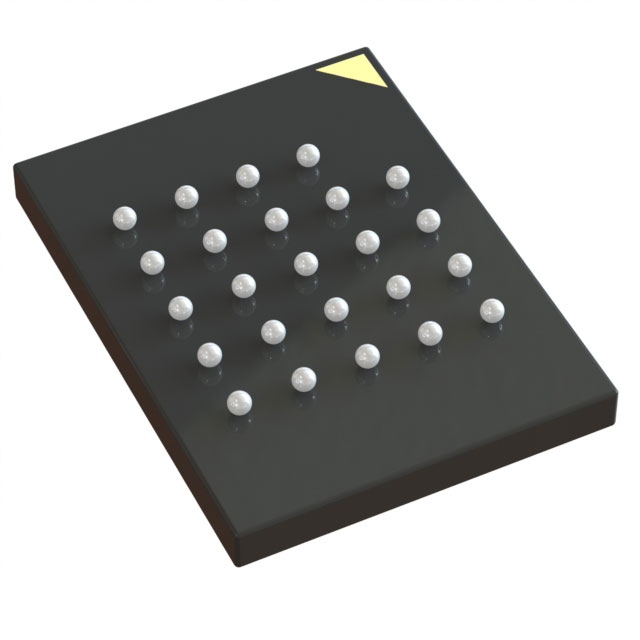
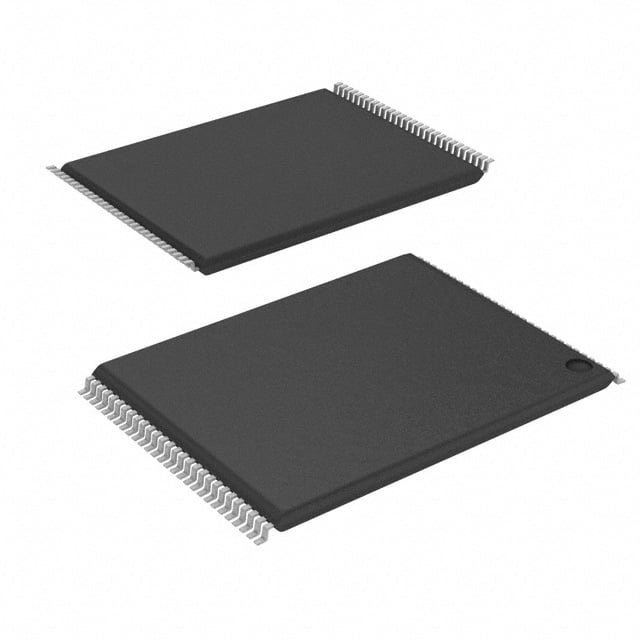
- Compact Form Factor: LPDDR5X memory modules are compact and space-efficient, making them ideal for integration into slim and lightweight mobile devices.
In summary, LPDDR5X architecture combines high performance with energy efficiency, tailored specifically for the needs of modern mobile computing. Its design emphasizes low power consumption, high bandwidth, and efficient data management to deliver optimal performance in mobile devices.
icDirectory Limited | https://www.icdirectory.com/a/blog/how-does-the-architecture-of-lpddr5x-work.html