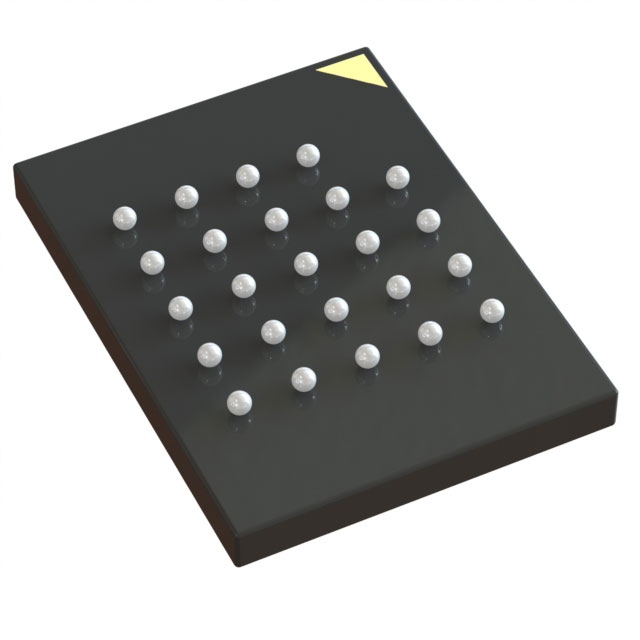
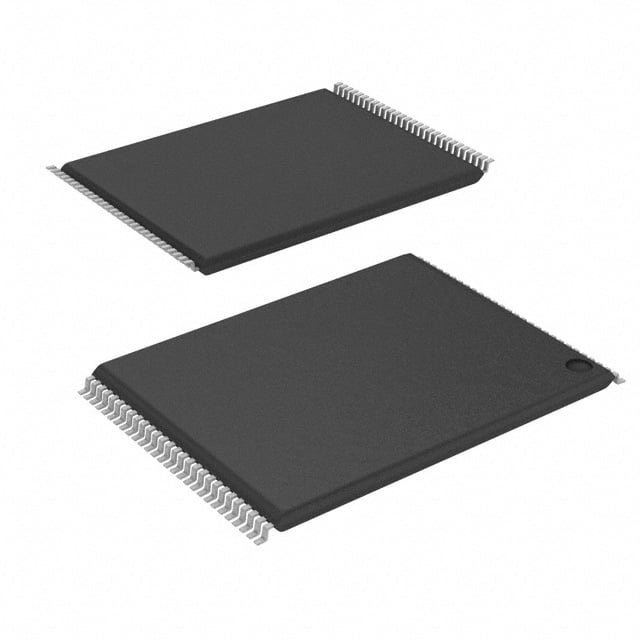
## LPDDR5X (Low Power Double Data Rate 5X):
1. Power Efficiency:
- Low Voltage Operation: LPDDR5X operates at lower voltages compared to DDR memory, which significantly reduces power consumption. This makes LPDDR5X ideal for battery-powered devices such as smartphones, tablets, and laptops, where energy efficiency is critical for extending battery life.
2. Data Transfer Rates:
- High Bandwidth: LPDDR5X offers higher data transfer rates than DDR memory. It can achieve speeds up to 8533 MT/s (Megatransfers per second), providing greater bandwidth for faster data processing and improved performance in data-intensive applications.
3. Latency:
- Reduced Latency: LPDDR5X typically has lower latency compared to DDR memory. Lower latency means quicker response times when accessing data stored in memory, which enhances overall system responsiveness, particularly in real-time applications like gaming and multimedia.
4. Thermal Performance:
- Lower Heat Generation: LPDDR5X generates less heat during operation due to its efficient power usage and lower voltage requirements. This contributes to better thermal management in devices, allowing for thinner designs and improved overall thermal performance.
5. Design Considerations:
- Physical Size: LPDDR5X is designed to be physically smaller and more compact compared to DDR memory modules, which is advantageous for space-constrained devices like smartphones and tablets.
6. Applications:
- Mobile Devices: LPDDR5X is predominantly used in mobile devices where power efficiency, high performance, and compact size are critical requirements. It supports demanding applications such as gaming, multimedia, and AI-driven tasks on portable devices.
## DDR (Double Data Rate) Memory:
1. Power Consumption:
- Higher Voltage Operation: DDR memory typically operates at higher voltages compared to LPDDR5X, resulting in higher power consumption. This makes DDR memory less suitable for battery-powered devices where energy efficiency is a priority.
2. Data Transfer Rates:
- Lower Bandwidth: DDR memory generally has lower data transfer rates compared to LPDDR5X. While newer DDR versions like DDR4 and DDR5 have improved speeds, they generally do not match the bandwidth capabilities of LPDDR5X, especially in mobile applications.
3. Latency:
- Higher Latency: DDR memory tends to have higher latency than LPDDR5X. This can lead to slightly slower response times when accessing data, although the differences may vary depending on specific implementations and configurations.
4. Thermal Performance:
- Heat Generation: DDR memory modules typically generate more heat compared to LPDDR5X due to their higher operating voltages. This requires more robust cooling solutions in devices where DDR memory is used.
5. Applications:
- Desktops and Servers: DDR memory is commonly used in desktop computers, servers, and other non-portable devices where higher performance is required for applications such as data processing, server operations, and desktop computing tasks.
## Summary:
- LPDDR5X is optimized for mobile and battery-powered devices, offering lower power consumption, higher bandwidth, lower latency, and better thermal performance compared to DDR memory.
- DDR memory is more suited for desktops, servers, and non-portable applications where higher performance and lower cost per gigabyte are prioritized over power efficiency and compact size.
Choosing between LPDDR5X and DDR memory depends on the specific requirements of the device or application, balancing factors such as power efficiency, performance needs, and physical space constraints.
icDirectory Limited | https://www.icdirectory.com/a/blog/what-is-the-difference-between-lpddr5x-and-ddr-memory.html