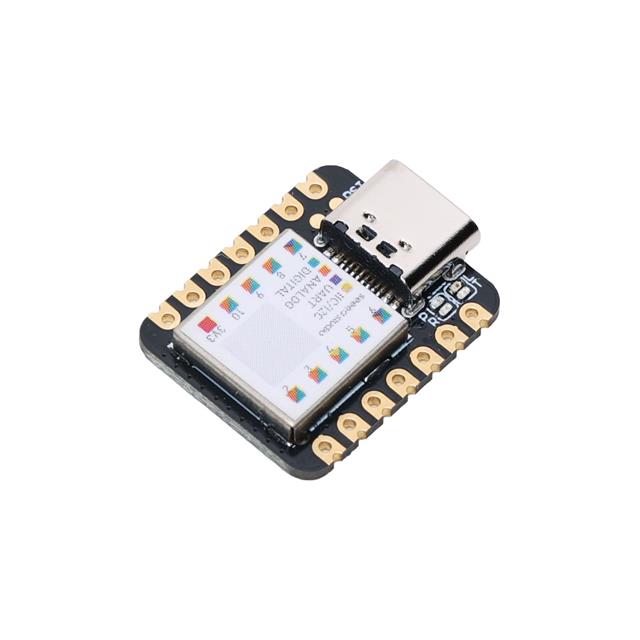
Q1: What is the Seeed Technology 102010328?
A: The Seeed Technology 102010328 is a Grove-based environmental sensor designed for measuring air quality and detecting pollutants in the atmosphere. It is part of the Grove ecosystem, which is known for its ease of use and integration into various projects, particularly for hobbyists and professionals working with microcontroller-based systems.
Q2: What are the key features of the Seeed Technology 102010328?
A: The key features of the Seeed Technology 102010328 include:
* Grove-compatible interface for easy connection to compatible boards
* Integration of air quality sensors that detect pollutants like CO2 and particulate matter (PM)
* Compact design suitable for various environmental monitoring applications
* Low power consumption, making it ideal for portable systems and IoT projects
Q3: What type of sensor does the Seeed Technology 102010328 use?
A: The Seeed Technology 102010328 uses an air quality sensor capable of detecting various pollutants, including particulate matter (PM2.5 and PM10), and in some cases, carbon dioxide (CO2) concentrations. This sensor provides real-time data on air quality, helping users monitor and assess environmental conditions.
Q4: How does the Seeed Technology 102010328 interface with other devices?
A: The Seeed Technology 102010328 utilizes the Grove interface, which simplifies the connection process by using a 4-pin interface cable that can easily connect to a Grove-compatible base shield or microcontroller. This plug-and-play system eliminates the need for complex wiring or soldering.
Q5: What kind of microcontrollers or platforms are compatible with the Seeed Technology 102010328?
A: The Seeed Technology 102010328 is compatible with a wide range of microcontrollers and platforms that support the Grove ecosystem, including Arduino, Raspberry Pi, and other development boards that offer Grove connectors or require a Grove-to-pin adapter.
Q6: What environmental parameters can the Seeed Technology 102010328 measure?
A: The Seeed Technology 102010328 is designed to measure air quality by detecting particulate matter such as PM2.5 and PM10, which are critical indicators of air pollution. In some configurations, it may also measure other air quality parameters, such as CO2 levels, depending on the specific model and sensor used.
Q7: How does the Seeed Technology 102010328 provide air quality readings?
A: The Seeed Technology 102010328 provides air quality readings by measuring the concentration of particulate matter and possibly CO2 in the air. These readings are sent to a microcontroller or platform, where they can be displayed or used for further analysis. The data can be accessed via serial communication or a compatible interface.
Q8: Can the Seeed Technology 102010328 be used in indoor and outdoor applications?
A: Yes, the Seeed Technology 102010328 can be used for both indoor and outdoor environmental monitoring, although it is particularly suited for indoor applications due to the controlled environment. For outdoor use, the sensor may need to be housed in a protective enclosure to shield it from weather conditions.
Q9: Is the Seeed Technology 102010328 suitable for long-term environmental monitoring?
A: Yes, the Seeed Technology 102010328 is designed for continuous environmental monitoring. Its low power consumption and reliable performance make it suitable for long-term use, especially in IoT applications where devices need to operate for extended periods with minimal intervention.
Q10: What is the power consumption of the Seeed Technology 102010328?
A: The power consumption of the Seeed Technology 102010328 is relatively low, typically around 3.3V to 5V depending on the application and platform being used. This makes it suitable for battery-powered projects and portable environmental monitoring systems.
Q11: How accurate is the Seeed Technology 102010328 in measuring air quality?
A: The accuracy of the Seeed Technology 102010328 depends on the specific sensor used and the environmental conditions. While it provides real-time data with a reasonable degree of accuracy for general monitoring purposes, for highly precise measurements, calibration against a known reference sensor may be required.
Q12: How do I calibrate the Seeed Technology 102010328 for accurate readings?
A: Calibration of the Seeed Technology 102010328 typically involves adjusting the sensor's output based on known air quality standards or comparison with a reference sensor. Detailed calibration instructions can usually be found in the product documentation or through the platform-specific software used with the sensor.
Q13: Can the Seeed Technology 102010328 detect multiple types of air pollutants simultaneously?
A: Yes, the Seeed Technology 102010328 is capable of detecting multiple pollutants, including particulate matter (PM2.5 and PM10), and potentially CO2, depending on the sensor configuration. This allows for comprehensive monitoring of air quality and pollution levels in real-time.
Q14: How do I integrate the Seeed Technology 102010328 into an IoT system?
A: To integrate the Seeed Technology 102010328 into an IoT system, you would typically connect it to a compatible microcontroller, such as an Arduino or Raspberry Pi, and use the appropriate software libraries to read the sensor data. The data can then be sent to a cloud platform or displayed locally for analysis.
Q15: What is the typical response time of the Seeed Technology 102010328?
A: The typical response time of the Seeed Technology 102010328 is fast, typically within a few seconds, for changes in air quality. This allows for near real-time monitoring of environmental conditions and quick detection of pollution levels.
Q16: Can the Seeed Technology 102010328 be used in smart home applications?
A: Yes, the Seeed Technology 102010328 is well-suited for use in smart home applications where environmental monitoring is required. It can be integrated with home automation systems to provide real-time air quality data and trigger actions such as air purifiers turning on when pollution levels exceed a threshold.
Q17: Is the Seeed Technology 102010328 easy to use for beginners?
A: Yes, the Seeed Technology 102010328 is designed with ease of use in mind. Its Grove interface makes it easy to connect to compatible development platforms without the need for complicated wiring or soldering, making it ideal for beginners and those new to electronics and environmental sensing.
Q18: What is the output format of the Seeed Technology 102010328?
A: The Seeed Technology 102010328 typically outputs sensor data in a digital format, often using serial communication (UART or I2C) to transmit air quality readings. These outputs can be processed and displayed on a connected microcontroller or IoT platform.
Q19: Does the Seeed Technology 102010328 come with software support?
A: Yes, the Seeed Technology 102010328 comes with software support, including example code and libraries for popular platforms like Arduino and Raspberry Pi. These libraries make it easy to interface with the sensor and collect data for monitoring or further processing.
Q20: What environmental conditions should I be aware of when using the Seeed Technology 102010328?
A: While the Seeed Technology 102010328 is designed to operate in typical indoor environments, extreme conditions such as very high humidity, excessive dust, or direct exposure to water or chemicals should be avoided. For outdoor use, consider housing the sensor in a protective enclosure to shield it from the elements.