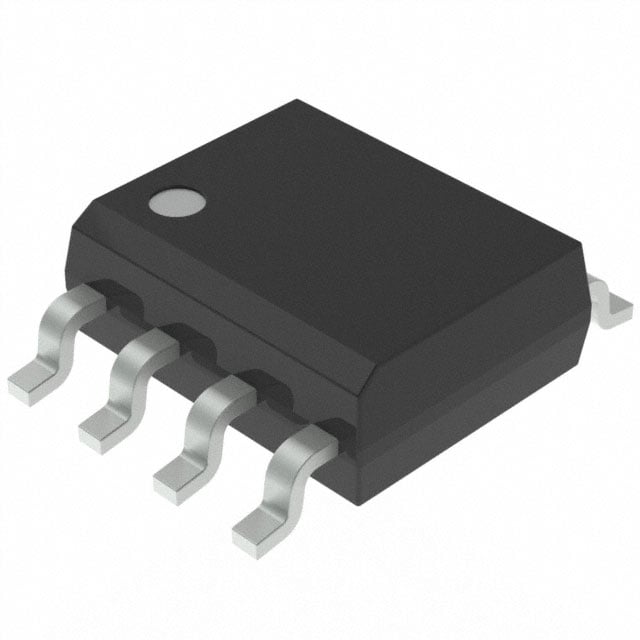
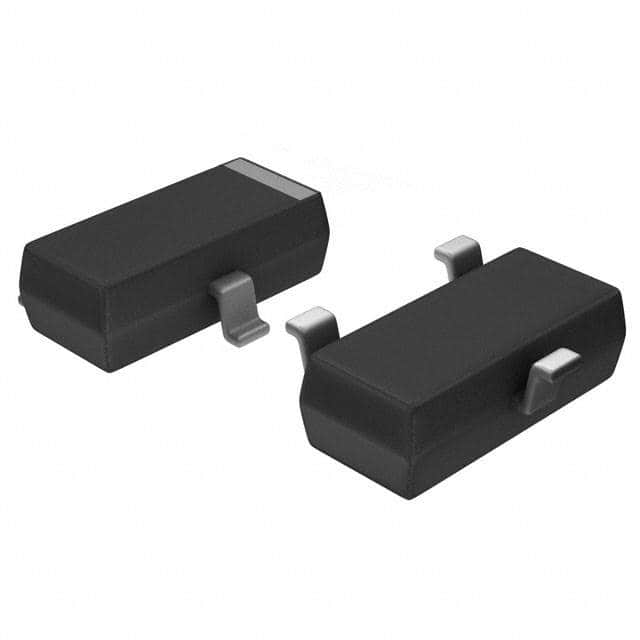
The AT24C32D-SSHM-T is a specific type of EEPROM (Electrically Erasable Programmable Read-Only Memory) manufactured by Microchip Technology. It offers 32 Kbits of non-volatile memory storage, which can be particularly useful for applications requiring persistent data retention.
## Overview of AT24C32D-SSHM-T
## 1. Component Type and Function
The AT24C32D-SSHM-T is a serial EEPROM chip designed for storing data in a non-volatile manner. It utilizes I²C (Inter-Integrated Circuit) communication protocol, allowing it to interface easily with a wide range of microcontrollers and processors. EEPROMs like the AT24C32D-SSHM-T are used in applications where data needs to be retained even when power is removed.
## 2. Key Specifications
- Memory Size: The AT24C32D-SSHM-T provides 32 Kbits of memory, organized as 4,096 x 8 bits. This configuration offers ample space for storing configuration settings, calibration data, or small amounts of user data.
- Communication Interface: The device uses the I²C bus for communication. It supports standard I²C speeds of up to 1 MHz, ensuring compatibility with various systems.
- Operating Voltage: The AT24C32D-SSHM-T operates over a wide voltage range, typically from 1.7V to 5.5V, making it versatile for different power supply configurations.
- Access Time: The EEPROM features fast access times, with read operations typically taking about 1 millisecond for the entire memory space, ensuring quick data retrieval.
- Write Endurance: The AT24C32D-SSHM-T supports up to 1 million write cycles per byte, providing durability for applications with frequent data updates.
- Data Retention: The chip is designed to retain data for up to 100 years at room temperature, ensuring long-term reliability for stored information.
## 3. Electrical Characteristics
- I²C Bus Timing: The AT24C32D-SSHM-T adheres to the I²C bus protocol, supporting both standard (100 kHz) and fast (400 kHz) modes. This allows it to integrate seamlessly with a variety of I²C devices.
- Power Consumption: The device consumes low power, with active current typically in the microampere range, and standby current even lower, which is beneficial for battery-operated systems.
- Input/Output Pins: The chip features SDA (Serial Data) and SCL (Serial Clock) pins for I²C communication, along with a VCC pin for power and a GND pin for ground connection.
## 4. Applications
- Configuration Storage: The AT24C32D-SSHM-T is commonly used to store configuration settings in consumer electronics, industrial equipment, and other systems where user preferences or operational settings need to be preserved.
- Calibration Data: It can store calibration data for sensors and other precision instruments, ensuring that these devices maintain accuracy over time.
- Data Logging: The EEPROM is useful in data logging applications where periodic updates to stored data are required, and long-term retention is critical.
- Firmware Storage: In some cases, the AT24C32D-SSHM-T can be used to store small firmware or bootloader codes that need to be retained across power cycles.
## 5. Design Considerations
- Addressing: The AT24C32D-SSHM-T uses a 2-wire I²C bus addressing scheme, with 3 address pins allowing for up to 8 devices to be connected to the same I²C bus.
- Write Operations: Care should be taken to manage write operations properly, as the EEPROM has a limited number of write cycles. Implementing wear leveling techniques can help extend the lifespan of the memory.
- Power Supply Decoupling: Adequate power supply decoupling is recommended to ensure stable operation, minimizing noise that could affect the EEPROM%27s performance.
## Conclusion
The AT24C32D-SSHM-T is a versatile and reliable EEPROM chip offering 32 Kbits of non-volatile memory with I²C interface support. Its wide operating voltage range, fast access times, and high endurance make it suitable for a variety of applications, including configuration storage, calibration data, and more. Proper design considerations, such as addressing and power management, are essential to fully utilize the capabilities of this EEPROM in practical applications.