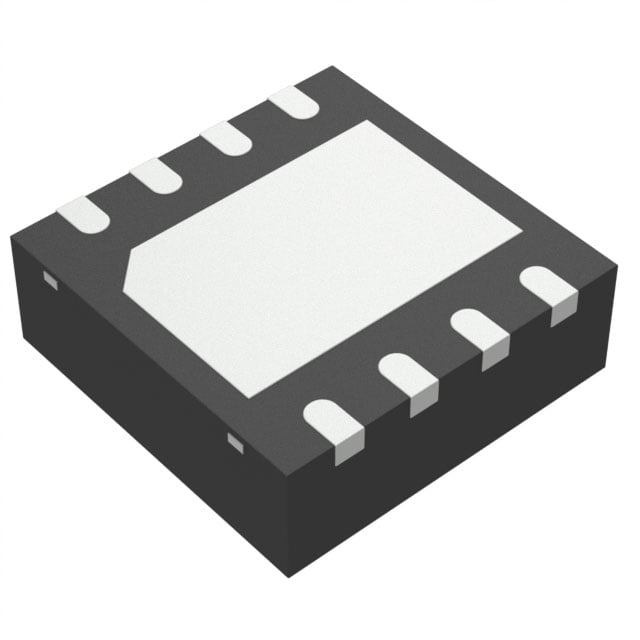
Introduction to Microchip Technology MCP2562-E/SN
The Microchip Technology MCP2562-E/SN is a high-speed CAN transceiver designed for automotive and industrial applications, offering reliable communication over Controller Area Network (CAN) bus systems. CAN bus is a robust communication protocol widely used in vehicles, automation systems, and industrial control. The MCP2562-E/SN transceiver enables high-speed data transmission with excellent electromagnetic compatibility (EMC) performance and low power consumption. It is optimized to work in automotive, industrial, and embedded applications, where fault tolerance, noise immunity, and high data throughput are crucial for system performance.
Key Specifications
* Device Type: CAN Transceiver
* Bus Voltage: 2.0V to 5.5V
* Data Rate: Up to 1 Mbps
* Supply Voltage: 4.5V to 5.5V
* Operating Temperature Range: -40°C to +125°C
* Receiver Input Voltage: -27V to +40V
* Transmitter Output Voltage: 0V to Vcc
* Standby Current: 15 µA (max)
* Standby Mode: Yes
* Fault Tolerance: Bus fault detection
* Package Type: SOIC-8
* RoHS Compliant: Yes
Bus Voltage and Data Rate
The MCP2562-E/SN is designed to operate with a bus voltage ranging from 2.0V to 5.5V, making it compatible with a wide range of CAN bus systems. This wide voltage range allows it to support both low-voltage and high-voltage systems, including those in automotive (12V and 24V systems) and industrial environments, where variations in supply voltages are common.
The device supports data rates of up to 1 Mbps, which is the standard rate for many CAN-based applications, ensuring fast and reliable data communication over the network. The high-speed operation of the MCP2562-E/SN makes it suitable for use in systems where large amounts of data need to be transmitted in real time, such as vehicle control networks, industrial automation systems, and embedded applications.
Supply Voltage and Power Consumption
The MCP2562-E/SN operates with a supply voltage between 4.5V and 5.5V, which is standard for many automotive and industrial applications. The device is designed to have low power consumption, helping to extend the life of the system in which it is embedded. It is also power-efficient in standby mode, consuming as little as 15 µA (maximum), making it ideal for battery-powered or low-power applications where energy conservation is a key concern.
Operating Temperature Range
The MCP2562-E/SN is capable of operating over an extended temperature range of -40°C to +125°C, which is essential for automotive and industrial applications where components are exposed to harsh environmental conditions. This wide temperature range ensures the transceiver can function reliably in both high-temperature environments (such as engine compartments or industrial equipment) and low-temperature applications (like outdoor installations).
Fault Detection and Protection
One of the standout features of the MCP2562-E/SN is its ability to detect and handle fault conditions on the CAN bus. The transceiver has built-in bus fault detection capabilities, including protection against short circuits and voltage spikes. The receiver can withstand input voltages ranging from -27V to +40V, ensuring that the device remains operational even in the presence of high-voltage transients. This level of protection makes the MCP2562-E/SN particularly suited for automotive systems, which are often exposed to electromagnetic interference (EMI) and voltage surges due to engine noise or external sources.
Transmitter Output and Receiver Input
The MCP2562-E/SN has a transmitter output voltage that ranges from 0V to Vcc, ensuring that it can communicate with a wide variety of microcontrollers and digital logic circuits. The receiver input voltage range of -27V to +40V also ensures the device can operate reliably under fault conditions and transient voltage spikes that are common in automotive or industrial networks.
Standby Mode and Power Management
The standby mode of the MCP2562-E/SN is an important feature for systems where power management is critical. In standby mode, the device consumes very little power (down to 15 µA maximum), which makes it suitable for systems that need to conserve energy, such as automotive applications where the system must remain in a low-power state while still being able to receive important messages on the CAN network. This feature is especially useful in sleep-mode systems where the transceiver is inactive but still able to monitor the network for events.
Package and Integration
The MCP2562-E/SN comes in a SOIC-8 package, which is a compact and versatile surface-mount package that is widely used in many applications due to its small footprint and ease of integration into printed circuit boards (PCBs). The SOIC-8 package is suitable for use in space-constrained environments, such as automotive control modules, industrial equipment, and embedded devices, where conserving PCB area is important.
Applications
The MCP2562-E/SN is ideal for use in a wide range of CAN bus applications, including:
* Automotive Applications: In vehicles, the MCP2562-E/SN is used to facilitate communication between control units, sensors, and actuators, enabling systems such as engine control units (ECUs), infotainment systems, and lighting control systems to communicate reliably. It is highly resistant to electromagnetic interference (EMI) and can operate in environments with high levels of noise and transients.
* Industrial Automation: In industrial environments, the MCP2562-E/SN can be used to connect various components in a CAN network, including PLC systems, robotics, and sensor networks. The high-speed data rates and fault protection features ensure that the system operates reliably even in harsh industrial conditions.
* Embedded Systems: The device is ideal for embedded systems that require CAN communication, such as medical devices, building automation systems, and security systems. Its low power consumption makes it suitable for battery-operated devices and systems where power efficiency is important.
* Smart Grids and Energy Management: The MCP2562-E/SN is used in smart grid systems, where it can support communication between energy meters, controllers, and monitoring devices. The ability to withstand voltage spikes and maintain high-speed communication ensures reliable operation in critical energy management networks.
Conclusion
The Microchip MCP2562-E/SN is a robust and versatile CAN transceiver designed to provide high-speed, reliable communication in harsh environments. With its wide bus voltage range, up to 1 Mbps data rate, wide operating temperature range, and fault detection features, it is ideal for use in automotive, industrial, and embedded applications that require reliable CAN communication. The device’s low power consumption, standby mode, and high fault tolerance make it an excellent choice for systems that need to maintain reliable operation in noisy or power-sensitive environments. Whether used in vehicle control networks, industrial automation, or smart grid applications, the MCP2562-E/SN ensures that data is transmitted accurately and efficiently.