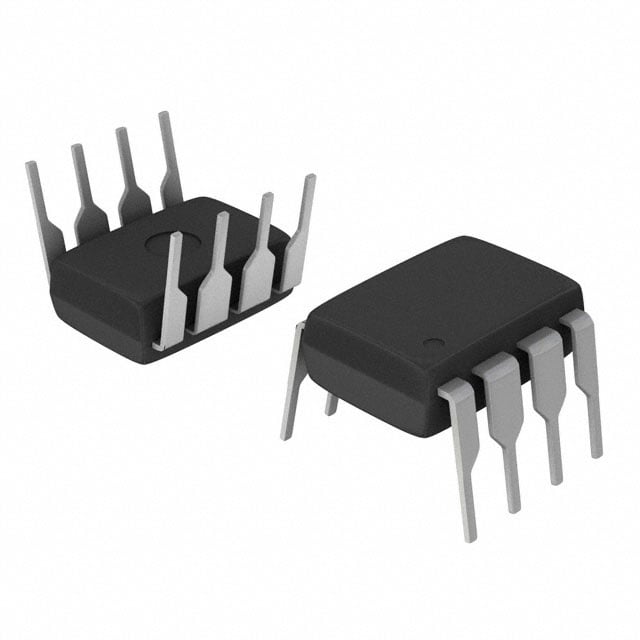
The Lite-On Inc 6N138 is an optoisolator, also known as an optocoupler, designed to provide electrical isolation between input and output circuits while allowing signal transmission. This component is widely used in various applications that require safe and reliable electrical isolation, particularly in industrial and consumer electronics. Below is a comprehensive overview of its specifications, features, and applications.
## Overview
The 6N138 optoisolator features a phototransistor output and a GaAs (gallium arsenide) infrared LED input. It is designed to transmit data signals while maintaining high voltage isolation, which is crucial in protecting sensitive components from high voltage spikes and noise in electronic systems. The device can effectively isolate and control high-voltage circuits with low-voltage control signals.
## Key Specifications
- Isolation Voltage: The 6N138 provides a high isolation voltage of up to 5,000 Vrms, ensuring reliable protection between the input and output sides.
- Input LED Current: The forward current (IF) for the internal LED is typically 10 mA, with a maximum rating of 20 mA. This ensures sufficient light output to activate the phototransistor effectively.
- Output Collector-Emitter Voltage: The maximum collector-emitter voltage (VCE) for the phototransistor is 30 V, allowing it to handle a variety of signal levels.
- Output Current: The maximum output current (IC) that the phototransistor can drive is 50 mA, making it suitable for driving loads directly in many applications.
- Transfer Ratio: The current transfer ratio (CTR) is typically around 100% at an input current of 10 mA, meaning that the output current is about equal to the input current under specified conditions, which is important for efficient signal transfer.
- Operating Temperature Range: The device operates within a temperature range of -40°C to +100°C, allowing it to function in various environments, including harsh conditions.
- Package Type: The 6N138 is available in a 8-pin DIP (dual in-line package) configuration, making it easy to integrate into PCB designs.
## Features
- High Isolation Voltage: The 6N138%27s ability to provide up to 5,000 Vrms isolation makes it suitable for applications where electrical isolation is critical for safety.
- Wide Operating Range: Its ability to operate at both low and high voltages makes it versatile for different circuit designs.
- Low Input Current: The device requires only a low input current to operate, which is advantageous for reducing power consumption in battery-operated devices.
- High Speed: The optoisolator can switch at speeds up to 10 Mbps, allowing it to be used in high-speed data communication applications.
- Phototransistor Output: The integrated phototransistor provides a simple and effective means of isolating signals with minimal additional components.
## Applications
The 6N138 is widely used in various applications, including:
- Signal Isolation: Used in industrial automation systems to isolate control signals from high-voltage circuits, ensuring safety and reliability.
- Data Communication: Commonly utilized in data communication systems for isolating transmission lines, preventing noise and interference.
- Switching Power Supplies: Employed in power supply circuits to provide feedback isolation between the input and output sections.
- Microcontroller Interfaces: Used in microcontroller-based systems to interface with high-voltage or noisy environments, protecting the microcontroller from damage.
- Telecommunications: Implemented in telecommunication equipment for signal isolation, ensuring data integrity and safety.
## Conclusion
The Lite-On Inc 6N138 optoisolator is a robust and reliable solution for achieving electrical isolation in a wide range of applications. With its high isolation voltage, low input current requirements, and capability to handle significant output current, it is well-suited for protecting sensitive electronic components in industrial, telecommunications, and consumer electronics systems. The 6N138%27s versatility and performance make it an essential component in modern electronic design, facilitating safe and efficient signal transmission across isolated circuits.