Let%27s explore how to calculate the conduction angle in a rectifier circuit.
1. Full-Wave Rectification Basics:
- A full-wave rectifier circuit converts alternating current (AC) into pulsating direct current (DC).
- Unlike half-wave rectifiers, full-wave rectifiers utilize both halves of the AC waveform, resulting in less ripple and a smoother output.
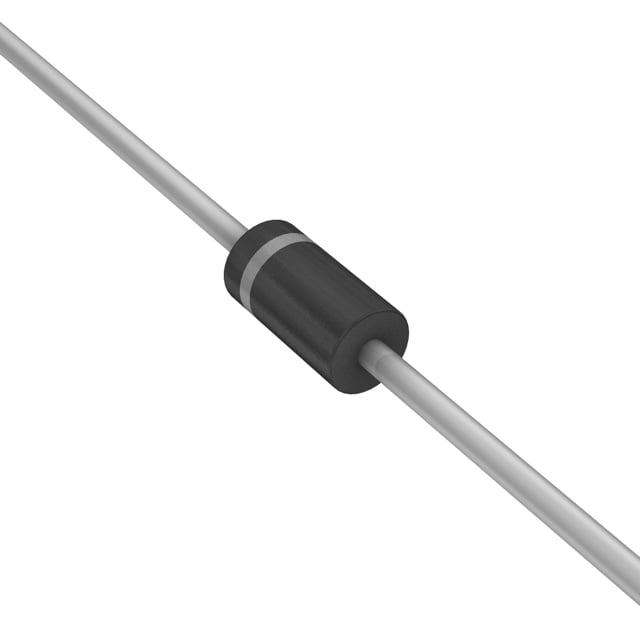
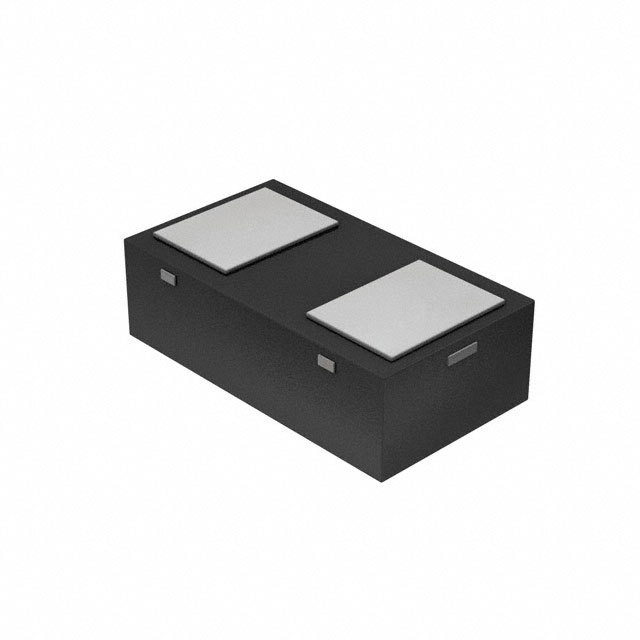
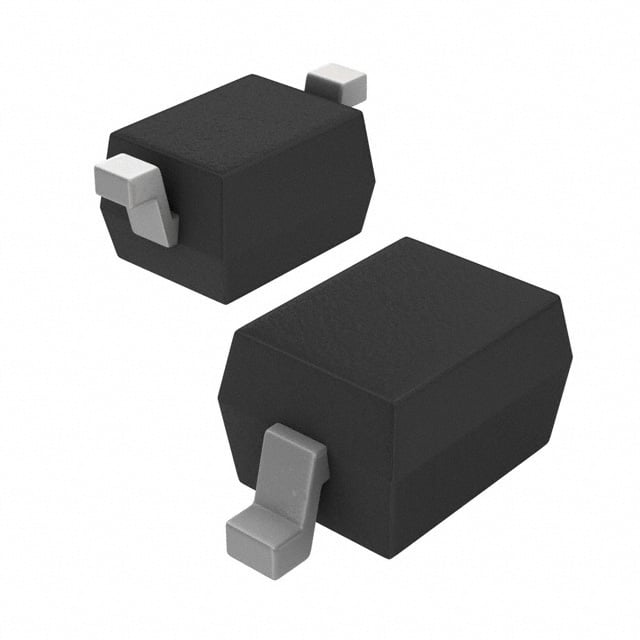
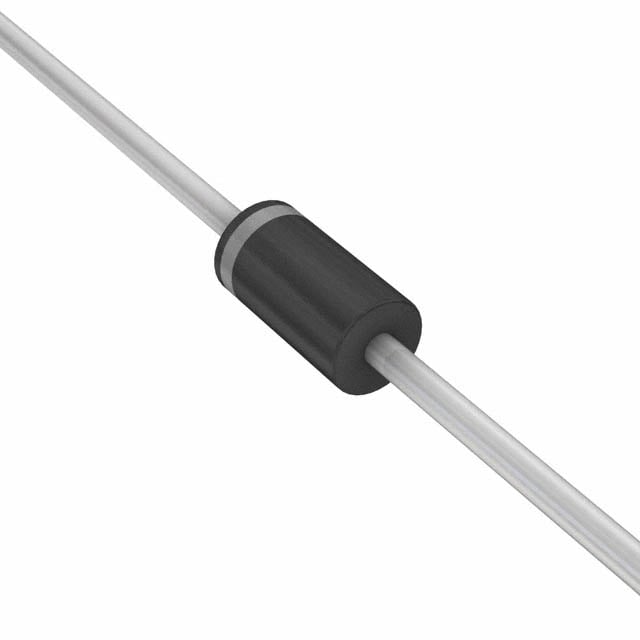
- In a full-wave rectifier, two diodes are used—one for each half of the cycle.
2. Conduction Angle Definition:
- The conduction angle represents the portion of the AC cycle during which the diode conducts current.
- It is crucial for understanding the efficiency and behavior of rectifier circuits.
3. Calculating the Conduction Angle:
- The conduction angle can be determined by finding the angles at which the diode starts and ceases conduction.
- Consider a sine wave voltage source. The momentary voltage from the source (denoted as "y") changes as the waveform progresses.
- The equation for this momentary voltage is: (y = r cdot sin( heta)), where:
- (r) represents the magnitude of the sine wave (peak voltage).
- ( heta) is the angle (measured in degrees) within the cycle.
- When the voltage across the diode (across the resistor) just begins to exceed 0V, the value of (y) must be just above the diode%27s forward voltage drop (e.g., 700 mV).
- Set up the equation:
[12V cdot sqrt{2} cdot sin( heta) = 700mV]
- Solve for ( heta):
[ heta = sin^{-1}left(frac{700mV}{12V cdot sqrt{2}}
ight) approx 2.364^circ]
- This angle represents when the diode starts to conduct.
- The conduction angle is then approximately:
[180^circ - 2 cdot heta approx 175^circ]
4. Application and Efficiency:
- The conduction angle affects the average DC output voltage and efficiency of the rectifier.
- Balancing conduction angle with load requirements is essential for optimal performance.
Remember, this trigonometric approach helps us understand the behavior of diodes in rectifier circuits. ️
------------------------------
(1) How to calculate the conduction angle of a CVD diode?. https://electronics.stackexchange.com/questions/257293/how-to-calculate-the-conduction-angle-of-a-cvd-diode.
(2) How to calculate a current being drawn by a full wave rectifier diode .... https://electronics.stackexchange.com/questions/51397/how-to-calculate-a-current-being-drawn-by-a-full-wave-rectifier-diode-bridge.
(3) Conduction Angle of a Diode Circuit - Physics Forums. https://www.physicsforums.com/threads/conduction-angle-of-a-diode-circuit.927170/.
(4) Full Wave Rectifier and Bridge Rectifier Theory. https://www.electronics-tutorials.ws/diode/diode_6.html.
icDirectory Limited | https://www.icdirectory.com/a/blog/how-do-we-calculate-the-conduction-angle-in-a-rectifier-circuit.html

☰