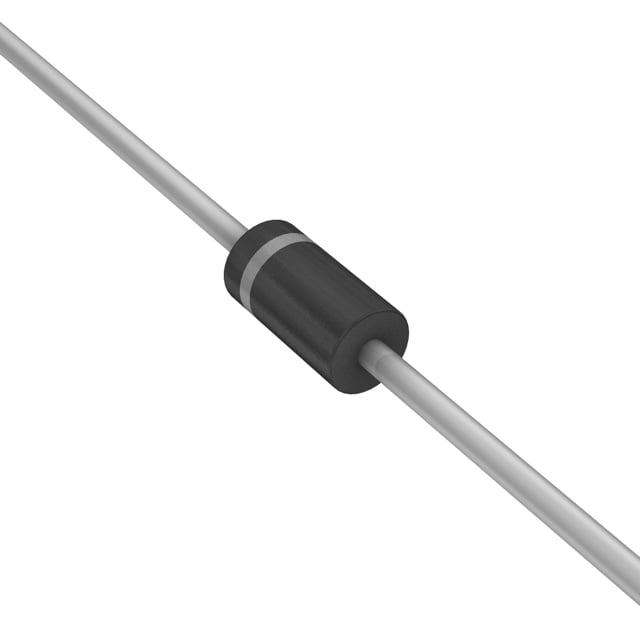
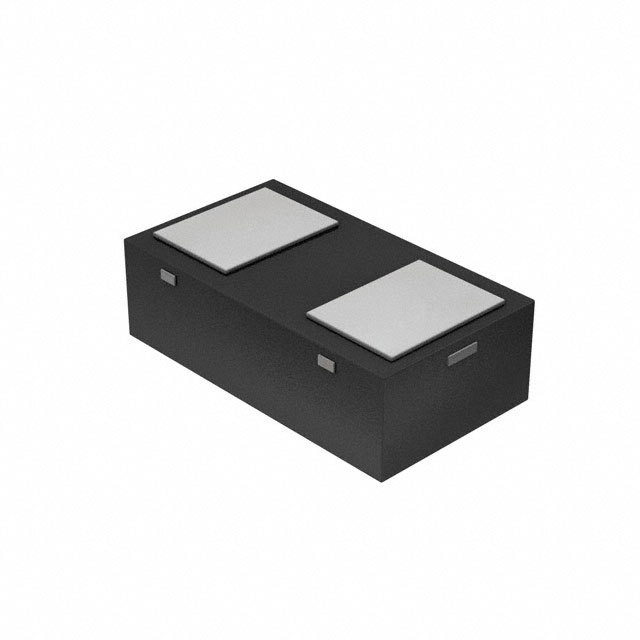
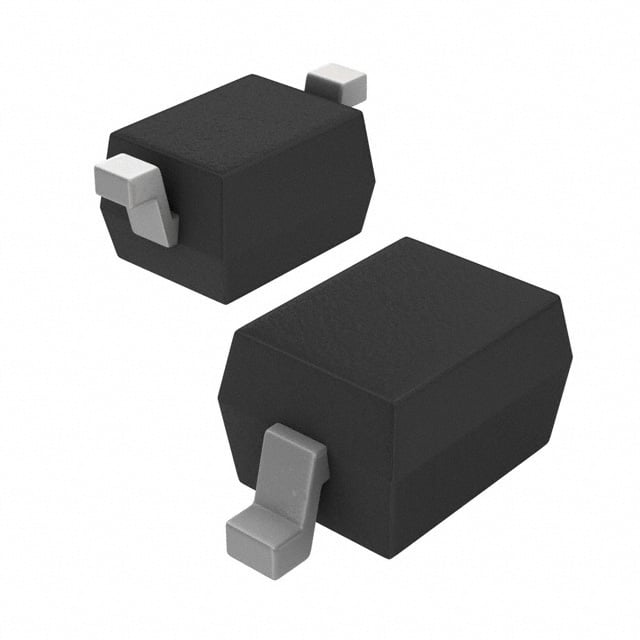
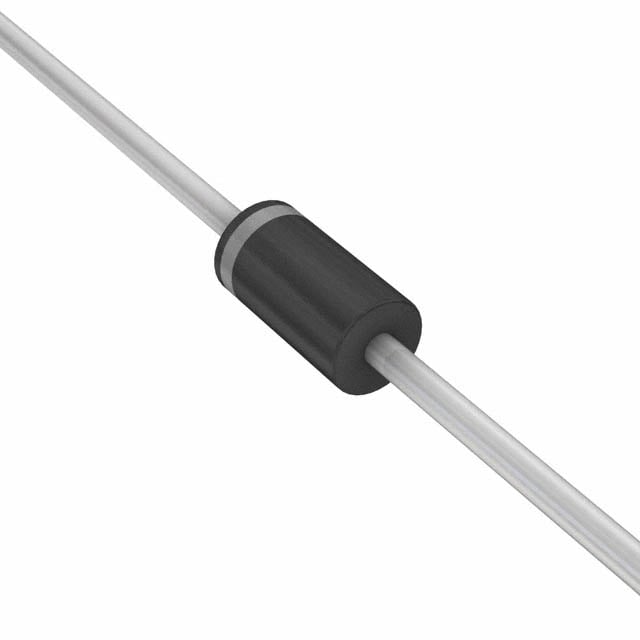
Let%27s explore how to minimize the voltage drop across diodes in rectifiers in detail:
1. Diode Voltage Drop:
- Diodes used in rectifiers exhibit a voltage drop due to their inherent characteristics.
- This voltage drop can lead to power loss and reduced efficiency in the rectifier circuit.
2. Strategies to Minimize Diode Voltage Drop:
- Choose Low-Voltage Drop Diodes:
- Opt for diodes with lower forward voltage drops (typically around 0.2 volts).
- Silicon diodes like the 1N4148 or 1N4007 have relatively low voltage drops.
- Schottky diodes have even lower voltage drops (around 0.2 volts), making them suitable for high-frequency applications.
- Active Rectification:
- Consider using active rectification instead of standard diodes.
- Active rectifiers use MOSFETs (Metal-Oxide-Semiconductor Field-Effect Transistors) with low on-resistance.
- MOSFETs have significantly lower voltage drops compared to diodes.
- Design an active rectifier circuit using matched MOSFETs or use dedicated active rectifier ICs.
- Use Larger Capacitors:
- The amount of ripple voltage (voltage variations) superimposed on the DC output can be reduced by using larger smoothing capacitors.
- Larger capacitors store more energy and discharge less between charging pulses.
- A well-designed π-filter (pi-filter) with two smoothing capacitors can significantly reduce ripple voltage.
- Heat Sinking and Efficiency:
- If the rectifier handles high currents, consider using a heatsink for the diodes.
- Efficient heat dissipation helps maintain low voltage drops.
- Ensure proper thermal management to prevent excessive temperature rise.
3. Considerations:
- Environmental Factors: Keep in mind that motorcycles, for example, operate in harsh conditions (vibration, rain, etc.). Choose components accordingly.
- Fuse Protection: Place a fuse at the battery connection to protect against faults in wiring or the digital readout.
- Waterproofing: Use RTV silicon to waterproof the assembly if exposed to moisture.
In summary, selecting low-voltage drop diodes, exploring active rectification, using larger capacitors, and ensuring proper heat dissipation are effective ways to minimize voltage drop across diodes in rectifiers. ️
(1) Full-wave rectifier | How it works, Application & Advantages - Magnetism. https://www.electricity-magnetism.org/full-wave-rectifier/.
(2) analog - How to avoid voltage drop when using full bridge rectifier as .... https://electronics.stackexchange.com/questions/444423/how-to-avoid-voltage-drop-when-using-full-bridge-rectifier-as-reverse-polarity-p.
(3) diodes - What will be voltage drop across 1N4007 Bridge wave rectifier .... https://electronics.stackexchange.com/questions/271758/what-will-be-voltage-drop-across-1n4007-bridge-wave-rectifier-at-24-volts-ac.
(4) Power Diodes and Rectifiers - Circuits Geek. https://circuitsgeek.com/tutorials/power-diodes-and-rectifiers/.
(5) Full Wave Rectifier and Bridge Rectifier Theory. https://www.electronics-tutorials.ws/diode/diode_6.html.
(6) Half Wave Rectifier. https://www.youtube.com/watch?v=AspBbh_jOuk.
(7) Introduction to Diode Rectifier Circuits. https://www.youtube.com/watch?v=Xmu31a-59vw.
(8) Half Wave Rectifiers. https://www.youtube.com/watch?v=joDlqsknn-w.
(9) Full Wave Bridge Rectifiers. https://www.youtube.com/watch?v=EkHch86UXpY.
(10) How To Solve Diode Circuit Problems In Series and Parallel Using Ohm%27s Law and KVL. https://www.youtube.com/watch?v=1uVJS5I8IC0.
(11) What Is a Diode?. https://www.youtube.com/watch?v=g54vURe47gM.
(12) Use diodes to obtain lowered DC voltage?. https://electronics.stackexchange.com/questions/6008/use-diodes-to-obtain-lowered-dc-voltage.
(13) Active rectification - Wikipedia. https://en.wikipedia.org/wiki/Active_rectification.
icDirectory Limited | https://www.icdirectory.com/a/blog/how-do-we-minimize-voltage-drop-across-diodes-in-rectifiers.html

☰