## Microprocessor
1. Main Processing Unit:
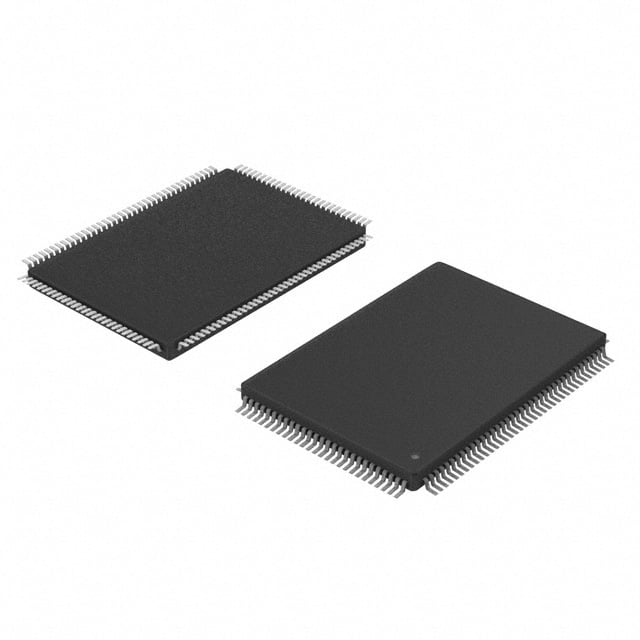
- The microprocessor is the central processing unit (CPU) of a computer system.
- It executes instructions, performs arithmetic and logic operations, and controls the overall functioning of the computer.
2. General-Purpose Computing:
- Microprocessors are designed to handle a wide range of tasks and applications.
- They execute general-purpose programs, manage system resources, and interact with peripheral devices.
3. Integrated Functions:
- Typically, a microprocessor integrates all necessary components for executing instructions, including arithmetic logic units (ALUs), registers, control units, and cache memory.
- It directly interacts with system memory and peripheral devices through buses (like address, data, and control buses).
4. Examples:
- Intel Core series, AMD Ryzen processors, ARM Cortex-A series are examples of microprocessors commonly found in desktops, laptops, smartphones, and embedded systems.
## Coprocessor
1. Auxiliary Processing Unit:
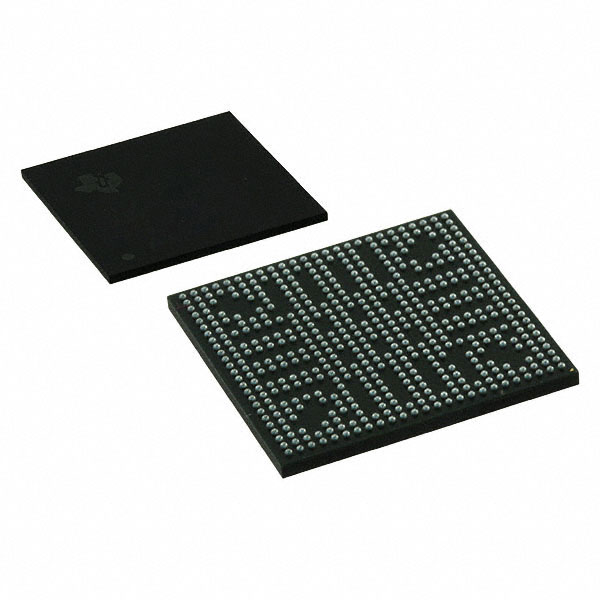
- A coprocessor is an additional processor designed to assist the main microprocessor in specific tasks.
- It is specialized for handling particular types of computations or operations that the main processor may not efficiently perform on its own.
2. Specialized Functions:
- Coprocessors are often optimized for tasks such as floating-point arithmetic, graphics processing, encryption/decryption, signal processing, or handling complex algorithms.
- They offload these specific tasks from the main processor, improving overall system performance and efficiency.
3. Connection and Interaction:
- Coprocessors typically connect to the main microprocessor through dedicated interfaces (like PCIe, USB, or custom interconnects).
- They operate in conjunction with the main processor, either independently or under its control, depending on the task.
4. Examples:
- Graphics Processing Unit (GPU): Specialized for rendering graphics and accelerating parallel computations.
- Digital Signal Processor (DSP): Optimized for processing digital signals from audio, video, or telecommunications applications.
- Floating-Point Unit (FPU): Enhances the microprocessor%27s ability to perform floating-point arithmetic operations.
## Key Differences
- Functionality: A microprocessor is the main CPU responsible for general-purpose computing and system management. In contrast, a coprocessor provides specialized processing capabilities to enhance specific tasks or types of computations.
- Integration: Microprocessors are typically fully integrated into the main computing system, handling all aspects of program execution and I/O operations. Coprocessors are often separate units optimized for particular functions and may operate alongside or in collaboration with the main microprocessor.
- Role in System: While a microprocessor forms the core of the computer%27s processing capabilities, coprocessors are designed to accelerate or facilitate certain types of computations that require dedicated hardware support.
In summary, while a microprocessor is the central unit responsible for general computing tasks and system control, coprocessors provide specialized capabilities to improve performance in specific applications or computations. Their collaboration enhances the overall functionality and efficiency of computer systems across various domains.
icDirectory Limited | https://www.icdirectory.com/a/blog/what-is-the-difference-between-a-microprocessor-and-a-coprocessor.html