## Microprocessor
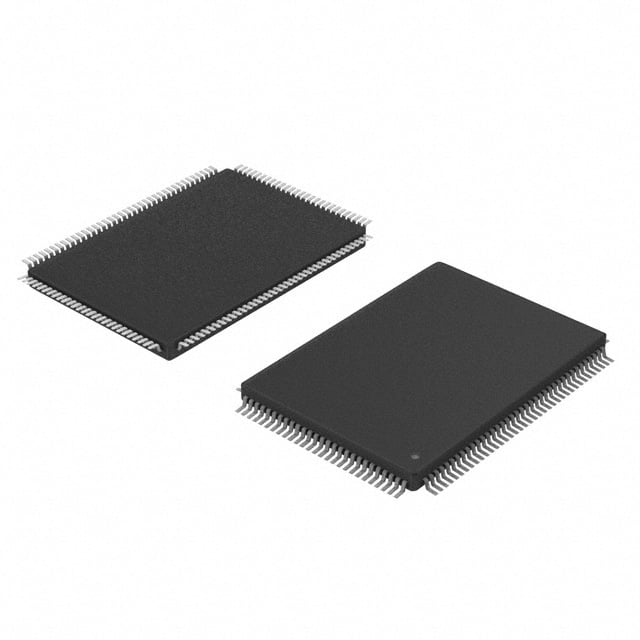
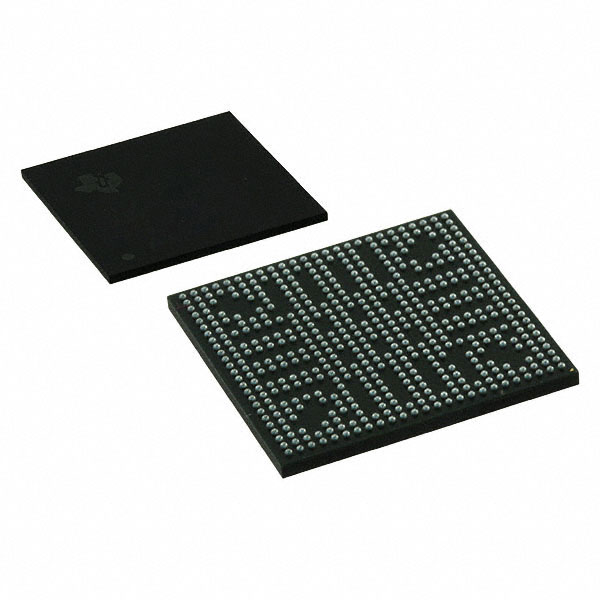
A microprocessor is a central processing unit (CPU) that is implemented on a single integrated circuit (IC). It is the "brain" of a computer system and is responsible for executing instructions from programs, performing arithmetic and logic operations, controlling data flow, and managing tasks within the computer. Here are some key features and functions of a microprocessor:
1. Central Processing Unit (CPU):
- The microprocessor acts as the CPU of the system.
- It performs arithmetic and logical operations, controls timing and data flow, and manages execution of instructions.
2. Components:
- Arithmetic Logic Unit (ALU): Performs arithmetic and logic operations.
- Registers: Small, fast storage locations used to hold data and instructions temporarily.
- Control Unit (CU): Directs the operation of the processor, telling it how to execute instructions.
3. Instruction Execution:
- Microprocessors fetch instructions from memory, decode them, and then execute them.
- They operate sequentially unless interrupted or directed otherwise by conditional instructions.
4. Applications:
- Used in general-purpose computers, laptops, desktops, and servers.
- Also found in various embedded systems where complex computation is required.
## MPU (Microprocessing Unit)
The term MPU (Microprocessing Unit) can be somewhat ambiguous as it might be used differently in various contexts. However, in many contexts, especially in embedded systems, MPU refers to two primary concepts:
1. Microprocessor Unit:
- In some uses, MPU simply stands for "Microprocessor Unit," which is essentially synonymous with "microprocessor." This usage emphasizes the role of the microprocessor as a singular component within a larger system.
2. Memory Protection Unit:
- In microcontroller and embedded system contexts, MPU often stands for "Memory Protection Unit."
- A Memory Protection Unit is a hardware feature found in some microcontrollers and processors that helps manage access to different regions of memory, providing protection and isolation between different processes or tasks.
## Memory Protection Unit (MPU) Details:
- Functionality:
- Enforces memory access rules to prevent accidental or malicious access to restricted memory areas.
- Enhances system stability and security by isolating different software components.
- Commonly used in real-time operating systems (RTOS) and high-integrity embedded applications.
- Implementation:
- Typically, an MPU is integrated into a microcontroller or microprocessor.
- It operates by defining memory regions with specific access permissions (read, write, execute).
- Benefits:
- Improves reliability by preventing tasks from corrupting each other%27s memory.
- Increases security by restricting code execution to specific memory areas, mitigating buffer overflow attacks.
## Differences Between Microprocessor and MPU
1. Scope of Definition:
- Microprocessor: Refers specifically to the CPU itself, focusing on its role in executing instructions and performing computations.
- MPU (Microprocessing Unit): Can refer either to a microprocessor in a broad sense or to a Memory Protection Unit, depending on the context.
2. Functionality:
- Microprocessor: Central unit for processing data, handling the main computational tasks.
- MPU (Memory Protection Unit): A subsystem or feature that provides memory access control and protection mechanisms within a processor or microcontroller.
3. Application Context:
- Microprocessor: Used in general-purpose computing devices and complex embedded systems.
- MPU (Memory Protection Unit): Often found in microcontrollers and safety-critical embedded systems requiring enhanced memory management and protection.
## Summary
While the term "microprocessor" clearly refers to the CPU core responsible for processing tasks, "MPU" can mean either the same as a microprocessor or specifically refer to a Memory Protection Unit, which adds a layer of memory access control. Understanding the context in which these terms are used is crucial to grasp their precise meaning and functionality.
icDirectory Limited | https://www.icdirectory.com/a/blog/what-is-the-difference-between-a-microprocessor-and-an-mpu-microprocessing-unit.html