## What is a Microcontroller Unit (MCU)?
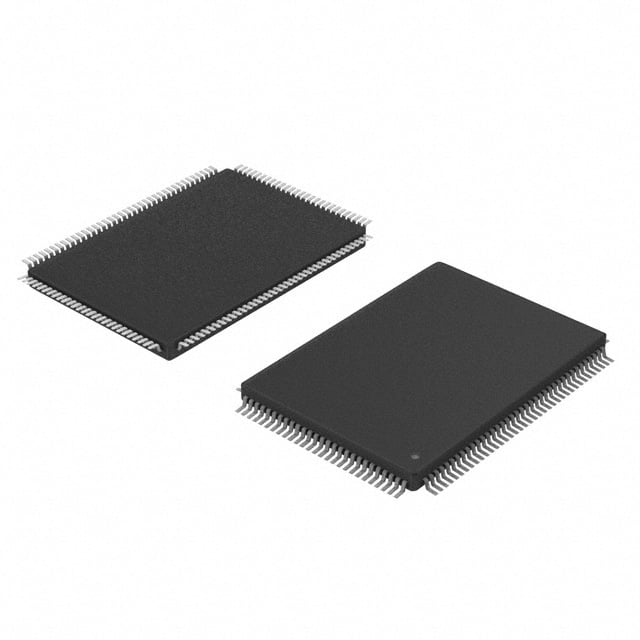
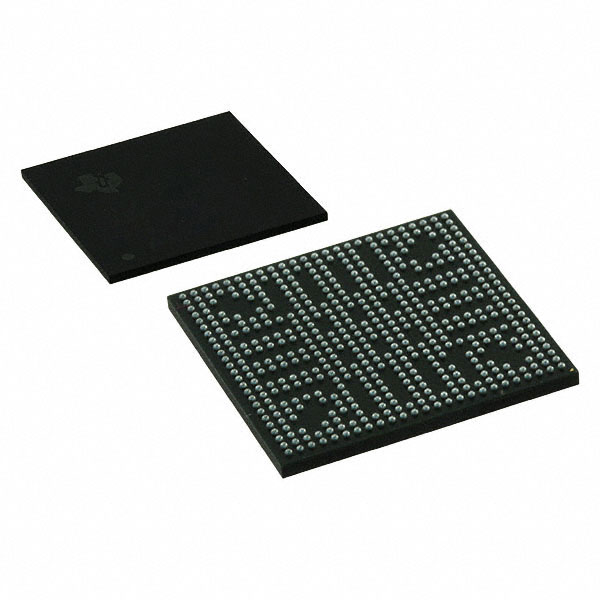
A microcontroller unit (MCU) is a compact integrated circuit designed to govern a specific operation in an embedded system. Unlike a general-purpose microprocessor, which may require external components like memory and input/output peripherals, an MCU typically includes all these components on a single chip. This integration makes MCUs well-suited for controlling specific tasks within larger systems.
## Components of an MCU
1. Central Processing Unit (CPU):
- The CPU is the core of the MCU, responsible for executing instructions from the program stored in memory. It performs computations and controls other components of the MCU.
2. Memory:
- Read-Only Memory (ROM) or Flash Memory: Used to store the firmware or program code that the MCU executes.
- Random Access Memory (RAM): Used for temporary data storage and for the stack during program execution.
3. Input/Output (I/O) Ports:
- These ports allow the MCU to interface with other devices and sensors. They can be configured as digital or analog inputs or outputs, depending on the needs of the application.
4. Timers and Counters:
- Timers and counters provide precise timing and counting capabilities, essential for tasks such as generating delays, measuring time intervals, and handling pulse-width modulation (PWM).
5. Analog-to-Digital Converters (ADC) and Digital-to-Analog Converters (DAC):
- ADCs convert analog signals into digital data that the CPU can process. DACs perform the reverse operation, converting digital data into analog signals.
6. Communication Interfaces:
- MCUs often include various communication protocols such as UART, SPI, I2C, and CAN, enabling them to communicate with other devices and peripherals.
7. Peripheral Modules:
- Depending on the application, an MCU might include additional peripherals like motor controllers, display drivers, or network interfaces.
## Purpose of an MCU
1. Embedded Control:
- The primary purpose of an MCU is to control specific functions within an embedded system. This can range from simple tasks like blinking an LED to complex operations like managing an automotive engine control system.
2. Automation:
- MCUs are used to automate processes and tasks, reducing the need for human intervention. For example, they can control home appliances, industrial machines, and robotics.
3. Real-Time Processing:
- MCUs are designed to handle real-time processing requirements, where timely and deterministic responses to external events are critical. This makes them ideal for applications like medical devices, automotive control systems, and industrial automation.
4. Energy Efficiency:
- MCUs are optimized for low power consumption, making them suitable for battery-operated devices and energy-efficient applications, such as wearable technology and IoT devices.
5. Cost-Effectiveness:
- Integrating multiple functions onto a single chip reduces the overall system cost and complexity. This makes MCUs a cost-effective solution for many applications.
6. Flexibility and Customization:
- MCUs can be programmed to perform a wide variety of tasks, providing flexibility in their use. Developers can customize the firmware to meet specific application requirements.
## Applications of MCUs
1. Consumer Electronics:
- Used in devices like microwaves, washing machines, remote controls, and gaming consoles.
2. Automotive Systems:
- Manage functions such as engine control, airbag deployment, and infotainment systems.
3. Industrial Automation:
- Control machinery, process automation, and monitoring systems.
4. Medical Devices:
- Power medical equipment like glucose meters, heart rate monitors, and infusion pumps.
5. Internet of Things (IoT):
- Serve as the brains of smart devices, enabling connectivity and intelligent control in applications like smart homes and wearable tech.
In summary, a microcontroller unit (MCU) is a highly integrated microcomputer designed for specific control tasks within embedded systems. Its purpose is to provide efficient, real-time control over various functions in a wide range of applications, from consumer electronics to industrial automation, by combining a CPU, memory, I/O ports, and other peripherals on a single chip.
icDirectory Limited | https://www.icdirectory.com/a/blog/what-is-the-purpose-of-the-microcontroller-unit-mcu-in-a-microprocessor.html