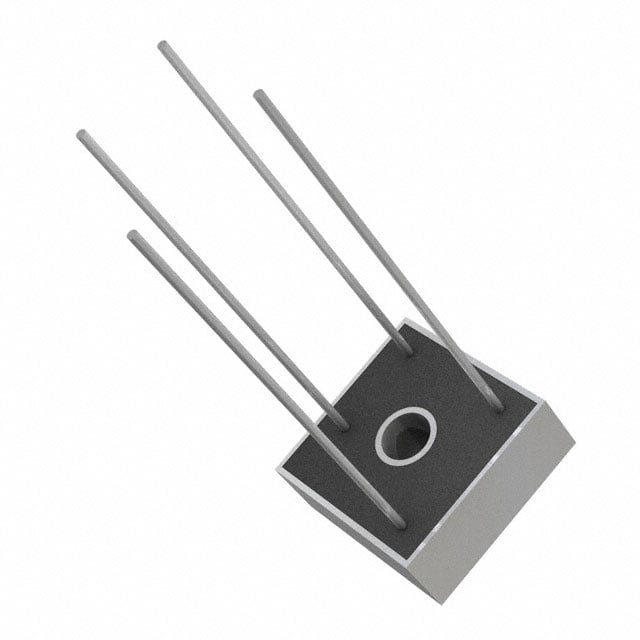
When working with bridge rectifiers, it%27s crucial to follow safety precautions to prevent accidents and ensure proper functioning. Here are some guidelines:
1. Disconnect Power Source:
- Always disconnect the AC utility power supply before servicing the rectifier unit.
- Tag and lock out the disconnect switch to prevent accidental energization while you%27re working on the rectifier.
2. Visual Inspection:
- Inspect the rectifier for any visible damage, such as burnt marks, cracks, or loose connections.
- Tighten any connections that may have become loose during shipment or handling.
3. Diode Connections:
- Ensure that diode connections are secured.
- Use electrical tape or heat shrink tubing to protect diode connections and avoid short circuits.
4. Heat Dissipation:
- Bridge rectifiers generate heat during operation.
- Use heatsinks or ensure adequate airflow to prevent overheating.
- High temperatures can affect diode performance and reliability.
5. Voltage Rating Margin:
- Choose diodes with a voltage rating well above the expected maximum voltage.
- Operating close to the diode%27s maximum rating increases the risk of failure.
6. Capacitor Safety:
- If using a capacitor in conjunction with the bridge rectifier for smoothing, follow safety precautions:
- Discharge the capacitor before handling it.
- Be aware of the stored energy in the capacitor.
7. Grounding:
- Ensure proper grounding of the rectifier and associated components.
- Grounding prevents electrical shocks and reduces the risk of electric hazards.
8. Insulation:
- Insulate exposed conductors and connections.
- Use insulating materials to prevent accidental contact with live parts.
9. Documentation and Labels:
- Label the rectifier unit with relevant information, including voltage ratings, current limits, and safety instructions.
- Keep documentation handy for reference during maintenance or troubleshooting.
10. Training and Knowledge:
- Ensure that personnel working with bridge rectifiers are adequately trained.
- Understand the circuitry, safety procedures, and potential risks.
Remember that safety is paramount when dealing with electrical components. Following these precautions will help maintain a safe working environment and prevent damage to the rectifier or other connected equipment¹²³⁴.
(1) Bridge Rectifiers: What is it? (Circuit Diagram & Working Principle .... https://www.electrical4u.com/bridge-rectifiers/.
(2) Rectifier Safety - Integrated Rectifier Technologies Inc.. https://irtrectifier.com/technical-info/rectifier-safety/.
(3) How to Build a Bridge Rectifier for an AC Welder | Explained with Step .... https://www.circuitsgallery.com/how-to-build-a-bridge-rectifier-for-an-ac-welder/.
(4) Safety concerns about a bridge rectifier | All About Circuits. https://forum.allaboutcircuits.com/threads/safety-concerns-about-a-bridge-rectifier.137165/.
(5) A Guide to Bridge Rectifiers - RS Components. https://uk.rs-online.com/web/content/discovery/ideas-and-advice/bridge-rectifiers-guide.
icDirectory Limited | https://www.icdirectory.com/a/blog/what-are-the-safety-precautions-when-working-with-bridge-rectifiers.html

☰