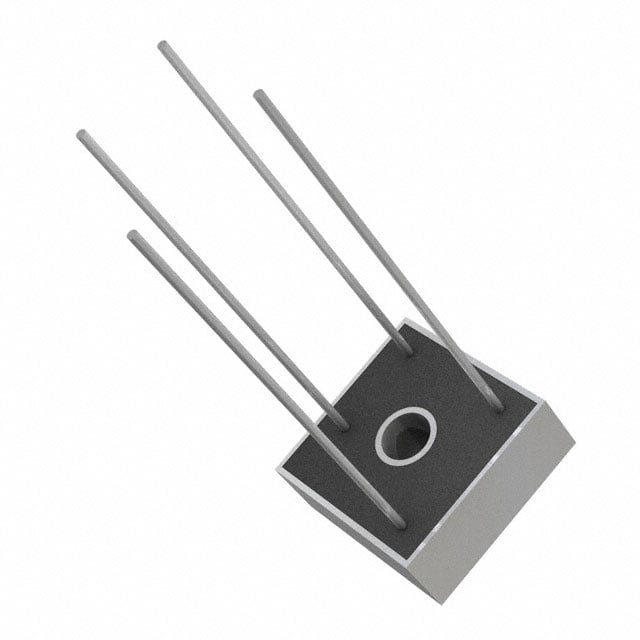
When working with bridge rectifiers, it%27s crucial to follow safety precautions to ensure both personal safety and proper functioning of the rectifier. Here are some important guidelines:
1. Qualified Personnel Only:
- Qualified electronic or electrical personnel should handle installation and maintenance of bridge rectifiers.
- Hazardous voltages are present within the rectifier, so only trained individuals should perform these tasks¹.
2. Inspect Upon Receipt:
- Always thoroughly inspect the rectifier upon receipt for any signs of shipping damage.
- Do not install or energize a rectifier that has been damaged during shipping¹.
3. Installation and Mounting:
- Ensure that the mounting surface (wall, pole, frame, or mounting pad) is designed to hold the full weight of the rectifier.
- Install the rectifier in a way that does not obstruct enclosure venting and allows for proper cooling¹.
4. AC Power Disconnect:
- Set the AC utility disconnect to the "OFF" position before servicing the rectifier.
- Tag and lock out the disconnect to prevent others from energizing power while you work on the rectifier¹.
5. Connections and Wiring:
- Inspect and tighten any loose connections on the rectifier.
- Ensure that the available AC voltage is suitable for the rectifier and that the AC input wiring is correctly connected.
- Properly configure the rectifier input for the AC voltage available¹.
6. Grounding:
- Supply the rectifier with a proper ground connection.
- Connect the cable(s) from the anode bed to the rectifier DC positive terminal(s) and the cable(s) from the structure to the rectifier DC negative terminal(s)¹.
7. Energizing the Rectifier:
- Do not energize the rectifier unless you are 100% sure of the above steps.
- Prior to energizing, ensure that the rectifier is at its lowest output setting.
- For three-phase rectifiers, set the secondary taps equally for all phases¹.
8. Avoid Overloading:
- Never overload the rectifier under any circumstances.
- Start the rectifier at the minimum tap or control setting¹.
9. Additional Equipment:
- Do not mount any additional equipment within the rectifier without prior approval from the factory¹.
Remember that safety is paramount when working with electrical equipment. Following these precautions will help prevent accidents, ensure proper operation, and protect both personnel and the rectifier itself¹.
(1) Rectifier Safety - Integrated Rectifier Technologies Inc.. https://irtrectifier.com/technical-info/rectifier-safety/.
(2) Safety concerns about a bridge rectifier | All About Circuits. https://forum.allaboutcircuits.com/threads/safety-concerns-about-a-bridge-rectifier.137165/.
(3) A Guide to Bridge Rectifiers - RS Components. https://uk.rs-online.com/web/content/discovery/ideas-and-advice/bridge-rectifiers-guide.
icDirectory Limited | https://www.icdirectory.com/a/blog/what-safety-precautions-should-be-taken-when-working-with-bridge-rectifiers.html

☰